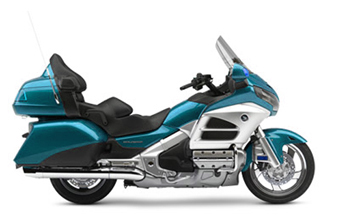
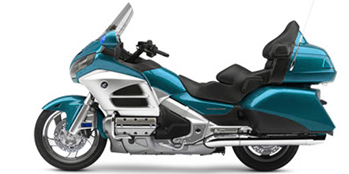
Clean the area around the where the wires connect to the spark plug to avoid any dirt or foreign stuff getting into the hole when you remove the plug. I sometimes use a soft brush and blow the dust out or compressed air.
Be sure to mark the wires so that you'll know to replace them on the correct cylinder.
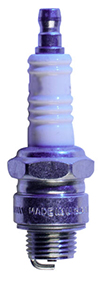 Holding the plug wire firmly by the neck at the plug base, and gently remove the wire so as not to break it's internal
connections.
Otherwise, you'll be making another trip to get new wires. If your wires are old and cracked etc., you
may want to replace them anyway.
Holding the plug wire firmly by the neck at the plug base, and gently remove the wire so as not to break it's internal
connections.
Otherwise, you'll be making another trip to get new wires. If your wires are old and cracked etc., you
may want to replace them anyway.
Using the socket wrench, remove the plugs and check them for color and deposits. Black deposits mean your engine could have problems or is running too rich. White plugs deposits mean the engine is too lean. Light gray or tan deposits are OK.
Put new plugs on the bike first using your fingers. That helps you to feel the thread accurately as you screw it.
This helps to avoid cross
threading as you can feel the alignment of the threads better.
If you can't get your fingers down into the recessed area where the plug will go, try using the deep socket with an extender on it but without the socket wrench and just use your fingers.
You will get a better feel for the threading that way.
After you have it mostly screwed in, tighten slightly with the socket wrench.
Do not over tighten as you can break the plug or make it too hard to remove later.
I have broken plugs (twice, duh!) doing this, and I learned the hard way so that you don't have to.
Now fire the bike up and listen to make sure that all of the cylinders are firing.
Remember what your mother said "Have fun but don't get hurt."
A Great guide to restoration of vintage motorcycles.
Click Here for all of the details and how to order online.
_________________________________________________
Here is a great video on motorcycle riding that can save your life and help you to get your license.
Click Here - Behind The Road Tests. Interactive Handbook For Car And Motorcycle Licensing. This Behind The Scenes Video Is Brought To You By Honda, Karmazyn Media, Nc Media, Msi & Jim Kenzie. Nothing Like This On The Market!! Pass Your Road Test The First Time!
__________________________________________________
"Learn to Ride a Motorcycle is the ultimate beginner's guide. It will quickly get you moving in the right direction, and it will teach you everything you need to know to start riding. Whether you want to learn to ride a motorcycle right now or are just curious to know more, this book is a must-read.
If you have no idea where to begin your motor-cycling journey, "Learn to Ride a Motorcycle" will show you the way!
Unlike other motorcycle books that are outdated, or assume you know how to ride already, or--worse-- think you're some kind of adrenaline junkie, "Learn to Ride a Motorcycle" takes you gently by the hand and starts from the very beginning--you'll learn everything from scratch, so it's perfect even if you don't know anything about motorcycles at all. Click Here to see all of the available info and order this great e-book.
___________________________________________________
Car Auction Inc. Has a lot of info about how to buy motorcycles at auction in your area. Government Surplus Auctions With Rock Bottom Prices. Click Here to get the inside info.
___________________________________________________